What Really Happens During Heat Pump Maintenance
Curious what actually happens during professional heat pump maintenance and how long it really takes? Here’s what we include when we “do it right.”
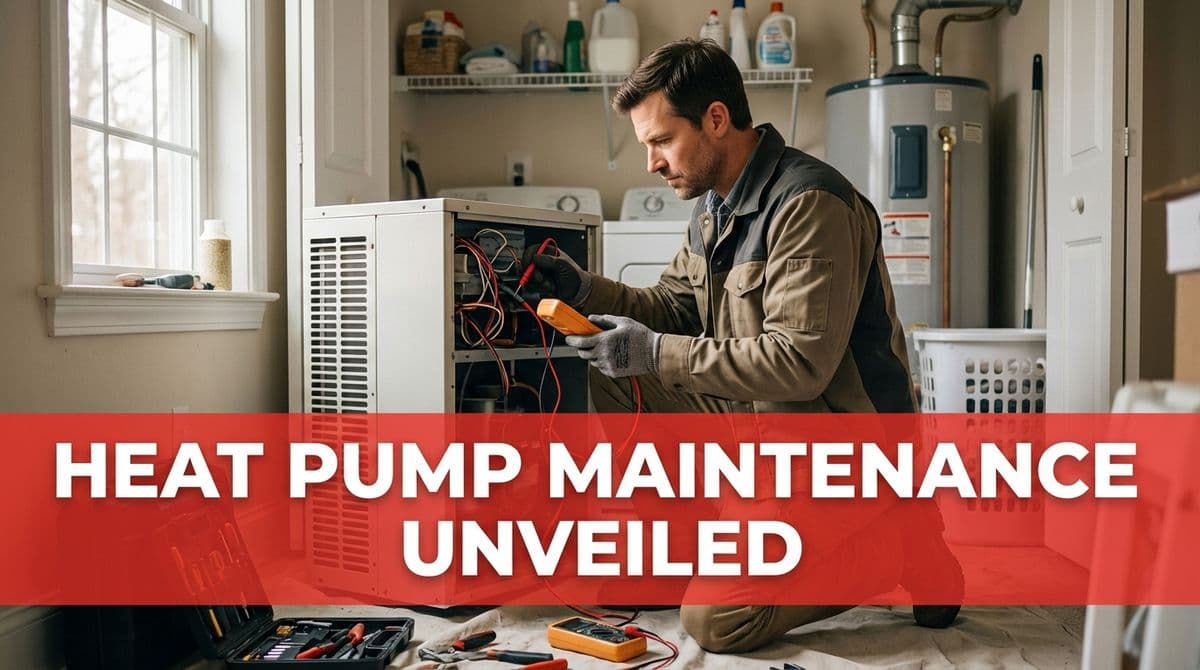
We recently got a call from a homeowner — we’ll call him Mark — who wanted to know what our annual maintenance looks like for his two heat pumps. He told us he thought there might also be an air handler in the attic, and his big questions were simple: “What exactly do you do during a professional maintenance visit, how long does it really take, and why does it cost what it costs?”
Those are smart questions, and we walked Mark through what we include when we “do it right” instead of just giving his system a quick once-over. If you’ve ever wondered the same thing, this breakdown will help you know what to expect when we come out for a heat pump tune‑up.
What We Actually Do During Heat Pump Maintenance
When Mark first called, he told us, “I’ve gotten quotes where they just kind of look at it. Do you all actually clean anything?” That’s where our process is a little different. We don’t just glance at your heat pump and hand you a bill — we perform a full inspection and cleaning so your equipment runs efficiently and reliably.
Deep Cleaning the Coils (Not Just a Quick Spray)
The first major piece we explained to Mark was coil cleaning. Over time, dirt, pollen, grass clippings, and dust build up on your outdoor unit’s coils. That buildup forces your heat pump to work harder, which means higher power bills and more wear and tear.
During a proper maintenance visit, we:
- Remove debris from around the outdoor unit so it can “breathe.”
- Inspect the coil fins for damage or bending that can restrict airflow.
- Clean the coils thoroughly with the appropriate cleaning method (not just a light rinse) so heat can transfer efficiently.
When we explained this to Mark, it helped him understand why we budget real time for a tune‑up instead of racing through several houses in a morning.
Clearing and Protecting the Drain Lines
Another thing Mark was curious about was our talk about “blowing out the drains.” Every heat pump system has a condensate drain. When that drain clogs with algae, dust, or slime, you can end up with water backups, ceiling damage (especially with attic air handlers), or a system that shuts itself off to protect your home.
As part of our maintenance, we:
- Inspect the drain pan and lines for standing water, rust, or signs of prior clogs.
- Blow out the drain lines with nitrogen to clear any buildup before it becomes a problem.
- Check safety switches (if equipped) that are designed to shut the system down if the pan fills up.
We told Mark this step is one of the biggest differences between a “real” maintenance and a quick visual check. It’s also a lot cheaper to clear a drain during maintenance than to repair drywall after a leak.
System Checks You Don’t See, But Definitely Feel
Mark’s other question was whether we did anything beyond just cleaning. The short answer is yes — we also test how the system is operating so we can catch problems early.
Electrical and Safety Checks
Behind that outdoor fan and quiet hum, there’s a lot going on electrically. During a visit, we typically:
- Inspect wiring and connections for overheating, corrosion, or looseness.
- Test capacitors and contactors to make sure they’re within proper ranges.
- Check defrost controls and sensors on heat pumps, especially important in winter.
These are the kinds of parts that can make a unit fail suddenly on the hottest or coldest day. Catching a weak capacitor during maintenance is far better than a no‑heat or no‑cool emergency later.
Airflow, Temperature, and Performance
We also look at how well the whole system is moving and conditioning air through your home. That often includes:
- Checking filters and recommending replacement if they’re dirty or undersized.
- Inspecting the blower and indoor coil (especially in attic or closet air handlers) for dirt and buildup.
- Measuring temperature differences between return and supply air to verify proper performance.
We walked Mark through this so he knew we weren’t just “looking at it” — we were testing how the system actually behaves, so it can keep his home comfortable without wasting energy.
How Long a Proper Heat Pump Maintenance Takes
One of Mark’s biggest concerns was time. He works roughly 7 to 5 every day and didn’t want to burn a full day off just for a tune‑up. His question was, “How long does a PM usually take?”
For a proper maintenance on two heat pumps and an attic air handler, we told him to expect at least about two hours, sometimes a bit longer depending on access and how dirty the equipment is. We budget that time so we can:
- Thoroughly clean coils and drains
- Perform a full set of electrical and performance tests
- Address any small issues we find on the spot, when possible
We could rush and squeeze more appointments into our day, but that’s not how we operate. We’d rather spend the time to do the job right so your system runs well all season.
Scheduling Maintenance Without Missing Work
Once Mark understood the time involved, his next worry was scheduling: “Do you guys work weekends?” We explained that we don’t book planned maintenance on weekends, but we do handle emergency calls then when needed.
To help customers like Mark who work standard hours, we often:
- Offer late‑day appointments (around 5 p.m. when possible) so you don’t lose a full workday.
- Schedule in the off‑season, like winter or mild spring/fall days, when the schedule is more flexible.
- Plan ahead so you can coordinate time off if needed, instead of scrambling during a heat wave or cold snap.
When we talked through that with Mark, he decided he’d check his schedule and call us back to lock in an evening slot rather than risk taking a whole day off.
What You Can Expect When We Service Your Heat Pump
If you’re considering scheduling heat pump maintenance, here’s what you can expect from us:
- A clear price up front for the full maintenance — not just a quick “look.”
- Coils and drains actually cleaned, not just visually inspected.
- Electrical, safety, and performance checks to catch issues early.
- A realistic time window (around two hours for two systems) so we’re not rushing.
- Flexible scheduling options when possible to work around your job.
Whether you’ve got one heat pump or several, a thorough maintenance visit once or twice a year keeps your home more comfortable, your energy bills lower, and your system running longer. And when we say we’re coming out for a “real deal” tune‑up, this is exactly what we mean.